Metallurg Magnitogorsk: A Club Profile
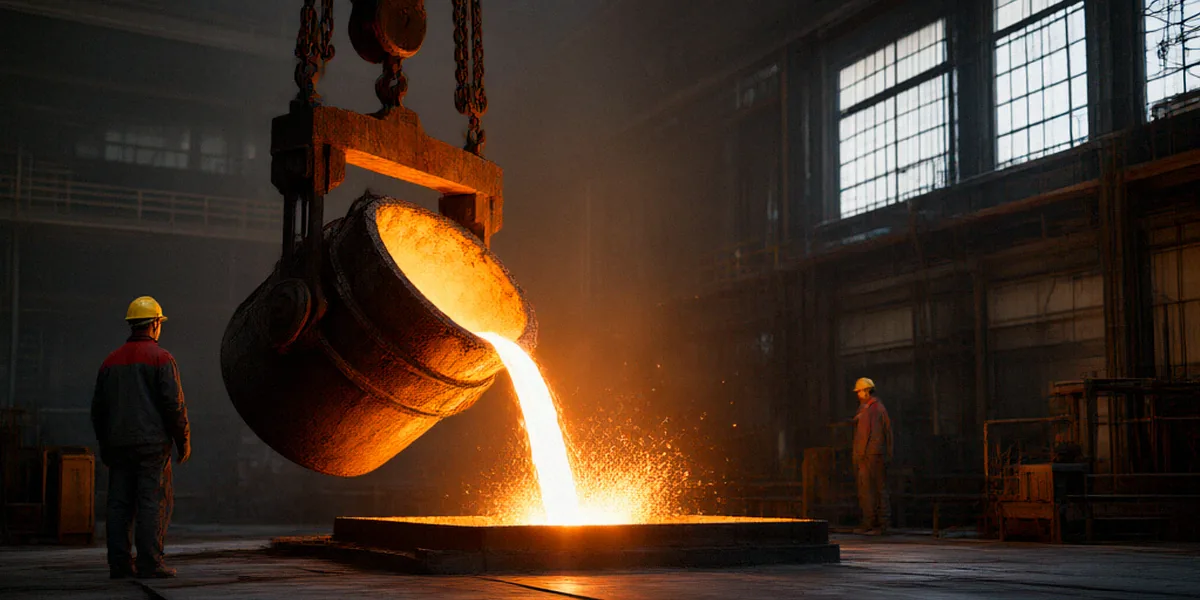
If you grew up in Sudbury, Timmins, or Hamilton, you already understand the kind of town that builds a hockey club like Metallurg Magnitogorsk. A city forged around steel, a workforce that clocks in for hard shifts, and a rink that becomes the beating heart of the community. Magnitogorsk sits on the eastern slope of the Ural Mountains, and for decades its identity has been tied to the Magnitogorsk Iron and Steel Works (MMK). That same industrial backbone gave birth to one of Russian hockey’s most resilient clubs. For Canadian fans who love hockey history, Metallurg is a story worth knowing — a steel-town team that climbed from the Soviet leagues to Gagarin Cup glory.
From Steel City to Hockey Powerhouse

Metallurg Magnitogorsk was founded in 1950, and like so many great hockey stories, it started with workers who wanted a team of their own. The club grew up inside the Soviet hockey system, grinding through the lower divisions before earning its place among the country’s elite. For Canadian readers, the arc feels familiar: a resource town, a company-backed club, and a slow build toward respectability. Think of how the Sudbury Wolves or the Timmins Rock anchor their communities — Metallurg plays that role in Magnitogorsk, only on a much bigger stage.
The Magnitogorsk Iron and Steel Works Connection
Everything about Metallurg traces back to MMK. The plant founded the club in 1950 and has remained its patron through every era — Soviet, post-Soviet, and modern KHL. Magnitogorsk itself is often compared to Canadian steel towns like Hamilton, and the parallel is hard to miss. The mill paid the bills, built the arenas, and gave young players a reason to lace up skates after their parents finished a shift. That corporate-sport bond is something Canadian hockey fans recognize instantly from company towns across Ontario and the Prairies.
Early Days in the Soviet Hockey League
For much of the Soviet era, Metallurg was a developing club rather than a dynasty. The powerhouse names of the time — CSKA Moscow, Dynamo Moscow, Spartak — dominated the domestic league and supplied the national team. Metallurg fought for promotion, built a youth pipeline, and slowly established itself in the top tier. The club’s rise reflected the broader strength of Soviet hockey, which produced the Summit Series generation and the machine that terrified NHL teams throughout the 1970s and 1980s.
Soviet Era Success and Challenges
Metallurg’s Soviet-era story is one of patience. The club didn’t hoist league titles in the 1960s or 1970s, but it developed players and a playing identity that would pay off later. The collapse of the Soviet Union in 1991 reshaped every club in the country, and Metallurg was no exception. Funding tightened, rosters churned, and the domestic league restructured repeatedly. Out of that chaos, Magnitogorsk found its opening.
Breakthrough in the 1990s
The 1990s were Metallurg’s coming-out party. The club won the Russian Superleague title in 1999, a breakthrough that announced Magnitogorsk as a genuine national power. It was the first major championship in club history and a turning point for the entire organization. Around the same time, Russian players were flowing into the NHL in record numbers, and Metallurg’s reputation as a developer of elite talent grew alongside it.
Notable Soviet-Era Players
Several names from Metallurg’s early modern era went on to make noise in North America. The most famous is Evgeni Malkin, who came up through the Metallurg system before becoming a Pittsburgh Penguins superstar and a multi-time Stanley Cup champion. Sergei Mozyakin, meanwhile, became the face of the club in the KHL era and one of the most prolific scorers in Russian hockey history. Their careers bridge the gap between Metallurg’s Soviet roots and its modern identity. For Canadian fans who track NHL records, Malkin’s name sits alongside the best of his generation — a direct product of the Magnitogorsk pipeline.
KHL Dominance and Modern Legacy
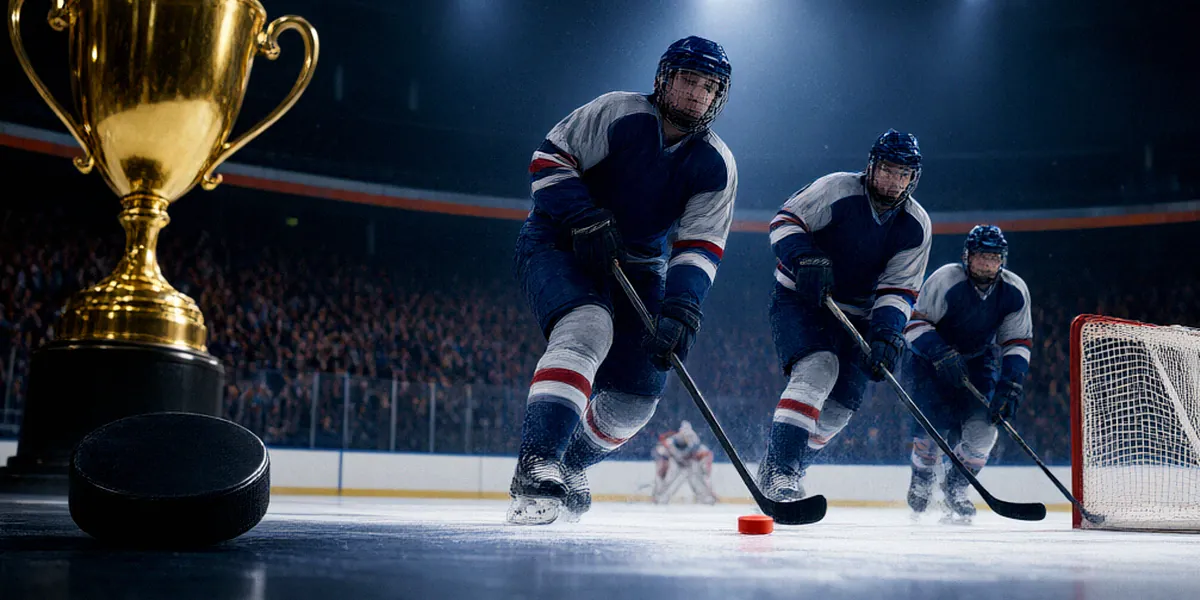
When the Kontinental Hockey League launched in 2008, Metallurg was positioned to compete immediately. The club had money, infrastructure, and a deep roster. What followed was a run of contention that made Magnitogorsk one of the most respected organizations in the KHL. The Gagarin Cup — the league’s championship trophy — became the target, and Metallurg eventually got there twice.
Gagarin Cup Triumphs
Metallurg won the Gagarin Cup in 2014 and again in 2016. The 2014 title was especially notable because Canadian coach Mike Keenan was behind the bench. Keenan, who had coached the New York Rangers and Chicago Blackhawks in the NHL, led Metallurg to Gagarin Cup success in 2014 — a rare moment of Canadian coaching influence at the highest level of Russian hockey. The 2016 win cemented the club’s status as a modern KHL power rather than a one-hit wonder.
Rivalries with CSKA and Ak Bars
Metallurg’s rise put it in direct competition with the KHL’s traditional giants. CSKA Moscow, the heir to the Soviet Red Army dynasty, is the club Metallurg has most often had to measure itself against. Ak Bars Kazan, another perennial contender, has been a frequent playoff rival. These matchups carry the weight of Russian hockey history, and for Canadian viewers who follow international play, they offer a window into the depth of the modern Russian game.
Canadian Connections and Global Impact
Metallurg’s ties to Canadian hockey run deeper than most fans realize. From coaching hires to player signings, the club has repeatedly looked to North America for reinforcements, and Canadian players have looked to Magnitogorsk as a place to extend their careers.
Canadian Coaches and Players
Mike Keenan’s 2014 Gagarin Cup run remains the headline Canadian connection. Beyond Keenan, a steady stream of Canadian and North American players have suited up for Metallurg over the years, bringing NHL experience to the KHL. The exchange works both ways: Metallurg develops Russian stars who go to the NHL, and it imports Canadian veterans who share their knowledge with younger players.
Impact on International Hockey
Metallurg’s development pipeline has fed the Russian national team for decades. Players who came through the club have appeared at the World Juniors, the World Championships, and the Olympics. For Canadian fans who follow the World Juniors every December, that pipeline matters — Magnitogorsk talent shows up on the international stage regularly, and the club’s reputation for producing complete players is well earned.
Stats, Records, and What’s Next
Numbers tell part of the Metallurg story, and a few stand out for anyone who follows hockey history.
- Founded in 1950 by the Magnitogorsk Iron and Steel Works (MMK)
- Russian Superleague champions in 1999
- Gagarin Cup winners in 2014 and 2016
- Sergei Mozyakin is the club’s all-time leading scorer and one of the KHL’s greatest offensive players
- Evgeni Malkin developed in the Metallurg system before becoming an NHL star
All-Time Records
Mozyakin’s scoring totals are the benchmark for the modern club. He spent the bulk of his career in Magnitogorsk and rewrote KHL record books in the process, becoming the league’s all-time leading goal scorer. For Canadian fans who compare everything to NHL records, Mozyakin’s consistency is the KHL equivalent of a franchise cornerstone like Gordie Howe or Wayne Gretzky in terms of longevity and production within one organization.
Future Prospects and Challenges
Metallurg faces the same pressures as every KHL club: competing with NHL salaries, developing young talent before it leaves for North America, and staying competitive against CSKA, Ak Bars, and SKA Saint Petersburg. The club’s youth academy remains one of its biggest assets, and its ability to keep producing NHL-calibre players will determine how the next decade unfolds. For Canadian hockey fans, Metallurg is a reminder that the game’s talent pipeline runs through steel towns on both sides of the ocean.
FAQ
When was Metallurg Magnitogorsk founded?
The club was founded in 1950 by the Magnitogorsk Iron and Steel Works (MMK), the industrial giant that still backs the team today.
How many Gagarin Cups has Metallurg won?
Metallurg has won the Gagarin Cup twice, in 2014 and 2016. The 2014 win came under Canadian coach Mike Keenan.
Which NHL stars came from Metallurg Magnitogorsk?
Evgeni Malkin is the most prominent NHL star developed by the club. Sergei Mozyakin, while he never played in the NHL, became the KHL’s all-time leading scorer in a Metallurg uniform.
Why is Magnitogorsk compared to Canadian cities?
Magnitogorsk is a steel town built around a massive industrial plant, much like Hamilton, Sudbury, or Timmins. That working-class identity shapes the club’s culture and its connection to the community.
Did a Canadian coach really win the Gagarin Cup with Metallurg?
Yes. Mike Keenan, a veteran NHL coach, led Metallurg to the 2014 Gagarin Cup, one of the most notable Canadian coaching achievements in KHL history.
Metallurg Magnitogorsk is more than a KHL club — it’s a steel-town hockey story that mirrors the ones Canadians know by heart. From its 1950 founding by MMK to Gagarin Cup wins in 2014 and 2016, from Mike Keenan behind the bench to Evgeni Malkin and Sergei Mozyakin on the ice, the club connects Russian hockey history to the broader international game. For Canadian fans who love the sport’s past, Magnitogorsk belongs on the list of places worth understanding.


Post Comment