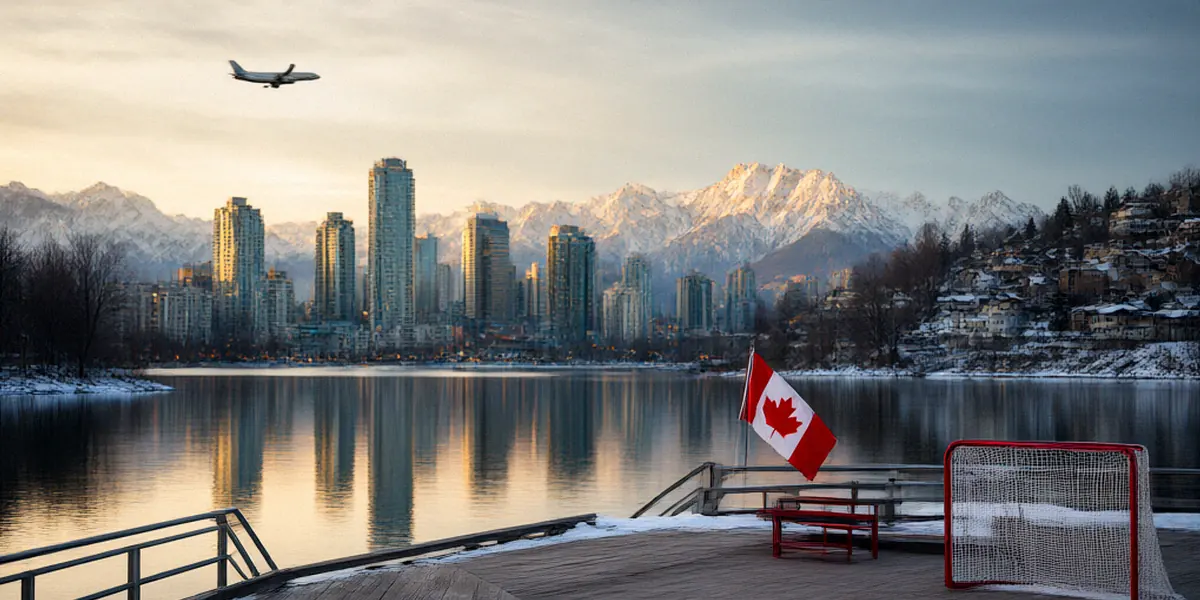
World Juniors Preview: What Canadian Fans Should Watch This Holiday Season
There’s a moment every December when the turkey leftovers are still in the fridge, the tree lights are glowing, and somewhere in a Canadian living room a parent is explaining to a teenager why Paul Henderson’s goal in the 1972 Summit Series still gives grown adults goosebumps. That’s the emotional backdrop for the World Juniors. For our team at russianhockey.net, the tournament isn’t just a holiday tradition — it’s a living continuation of the international hockey story that started with that famous series. This year’s edition gives Canadian fans plenty to watch, from returning stars to a brutal Group B draw, plus a few IIHF rules that differ from what we see every night in the NHL. Here’s our full preview.
Why the World Juniors Matter to Canadian Fans
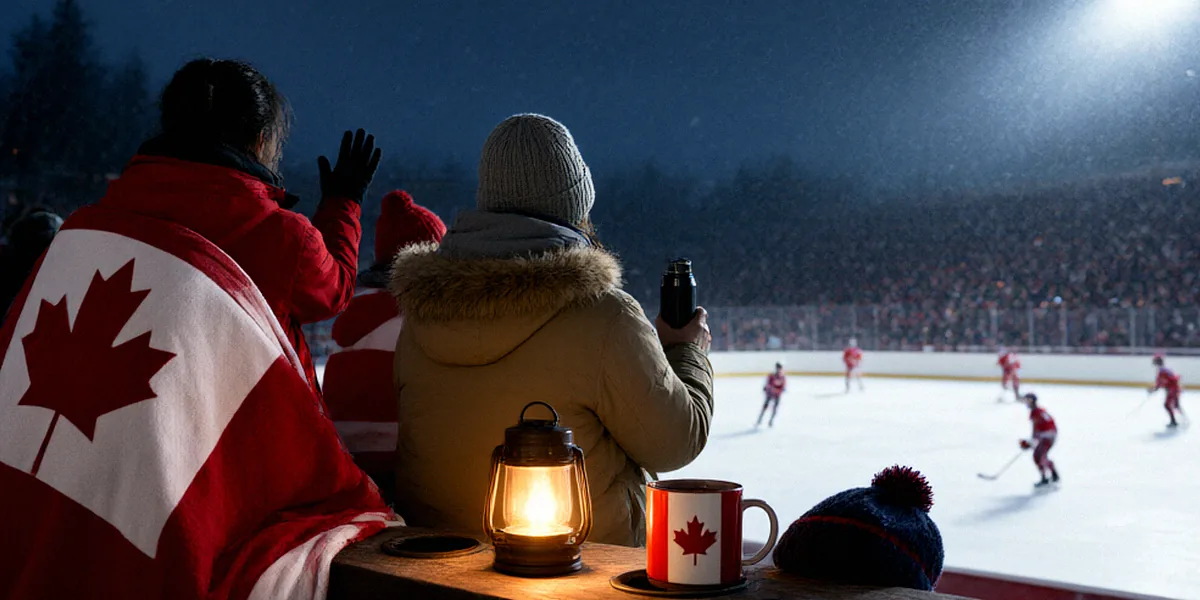
The World Juniors occupy a strange and wonderful place in Canadian culture. It’s a tournament that draws millions of viewers for games featuring teenagers most casual fans have never heard of, and it does it in the middle of the holidays when nobody has anywhere to be. For a lot of us, it’s appointment viewing baked into family schedules the same way the 1972 Summit Series was for our parents and grandparents. That eight-game series against the Soviet Union permanently wired Canadian hockey identity to international competition, and the World Juniors is where that wiring gets tested every year.
The Boxing Day Tradition
Boxing Day is the unofficial opening ceremony of the tournament for Canadian households. The gifts are opened, the relatives are either visiting or gone, and the television gets turned to TSN for Canada’s first game. It’s become as reliable as leftover sandwiches and the World Junior anthem debates. Bars in cities like Halifax, Winnipeg, and Edmonton fill up for morning games, and office pools start circulating before New Year’s. For many young players in the CHL, the Boxing Day opener is the first time they’ve played in front of a national audience that actually knows their name.
From Summit Series to World Juniors: A Legacy of National Pride
The 1972 Summit Series taught Canada something uncomfortable and valuable: international hockey is not a formality. The World Juniors extends that lesson to a new generation every single year. When Canada loses a game it “should” win, the reaction is never just disappointment — it’s a miniature national reckoning. When Canada wins gold, the celebration feels disproportionate to a junior tournament, and that’s exactly the point. The IIHF Hall of Fame is full of players who first became household names during this tournament, and the lineage runs directly back to the Summit Series era.
Team Canada Roster: Players to Watch
Every year the roster turns over, and every year Canadian fans convince themselves they know exactly who the stars will be. Sometimes we’re right. Here’s where the attention should land this time around.
The Returning Core
Returning players are the backbone of any Canadian entry, and this year’s group includes several names who logged meaningful minutes last tournament. Watch for the returnees on the blue line — defencemen who played top-four minutes as 18-year-olds tend to control games as 19-year-olds. Up front, the returning forwards bring the kind of two-way reliability that coaches lean on in the medal round. These are the players TSN’s analysts will circle before the first puck drop, and they’re usually the ones who show up when Canada needs a shift to change momentum.
New Faces Ready to Shine
The new faces are where the real intrigue lives. Recent first-round NHL draft picks arrive with hype and something to prove, and the CHL pipeline always delivers a few players who use the tournament as a launching pad. Keep an eye on:
- First-round picks from the OHL, WHL, and QMJHL who are playing their first World Juniors
- Undrafted 19-year-olds who arrive with a chip on their shoulder and something to prove to NHL scouts
- Goaltenders, where Canada’s depth chart is often decided in the pre-tournament camp rather than by reputation
Projected stars rarely announce themselves in advance. More often, a third-line winger becomes a national hero by New Year’s Eve. That unpredictability is part of why we keep watching.
Group B Breakdown: Canada’s Path to the Medal Round
Group B is never a vacation, and this year is no exception. Canada’s path to the medal round runs through the United States, Finland, and Sweden — three programs that have beaten Canada in meaningful games over the past two decades. There are no trap games in the traditional sense, but there are absolutely games where a slow start can cost a top seed.
Canada vs. USA: The New Year’s Eve Classic
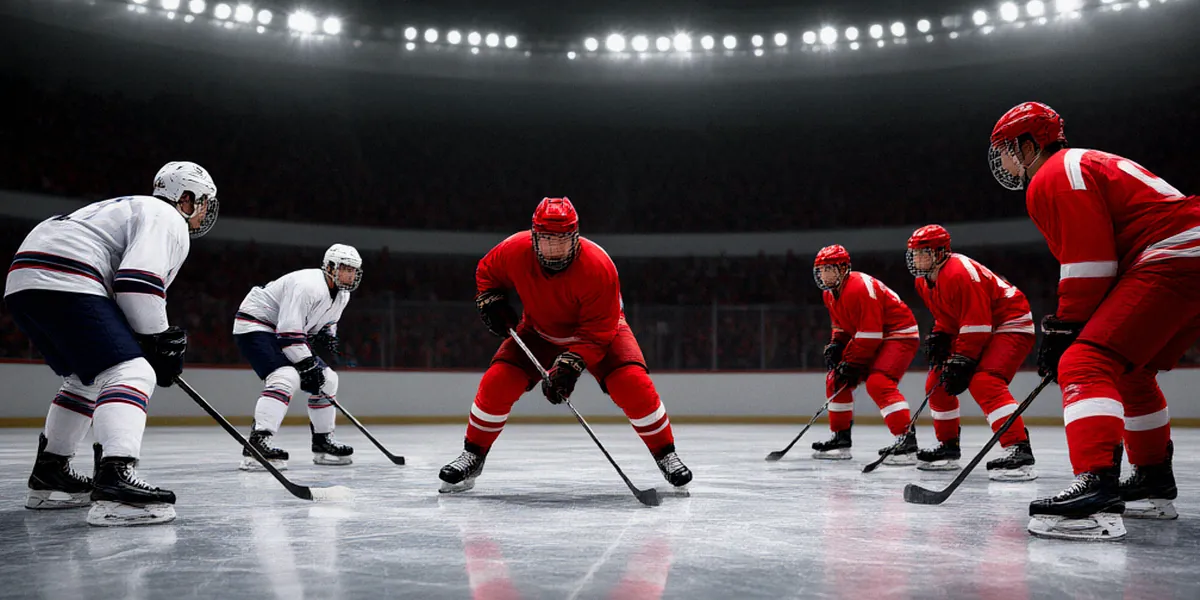
The New Year’s Eve matchup against the United States has become the tournament’s signature game. It’s not just rivalry — it’s scheduling. The game lands when everyone is off work, the standings are starting to matter, and the result often decides group seeding. Canadian fans remember the 2021 final, the 2017 shootout thriller, and more than a few group-stage stunners that flipped the bracket. Whatever happens earlier in the tournament, this game sets the tone for the medal round.
European Threats: Finland and Sweden
Finland and Sweden are not opponents we can afford to overlook. Finland’s program has produced a remarkable run of tournament success over the past decade, and their structure gives Canadian skill players fits. Sweden brings high-end skill and a disciplined defensive system that punishes turnovers. Both teams have eliminated Canada in recent memory, and both will treat a group-stage game against Canada as a statement opportunity. The trap game, if there is one, is whichever of these two Canada plays on short rest.
IIHF Rules and Tournament Format Explained
If you only watch NHL hockey, a few things about the World Juniors will look strange. The IIHF rulebook differs from the NHL’s in ways that matter, especially late in games.
Key Rule Differences from the NHL
- Icing: The IIHF uses no-touch icing, meaning the play is blown dead the moment the puck crosses the goal line rather than after a race.
- Overtime: Preliminary-round games use a five-minute 3-on-3 overtime, while medal-round games use longer overtime periods before a shootout decides things.
- Shootouts: The IIHF shootout format differs slightly from the NHL’s, with different rules about repeat shooters in extended shootouts.
- Checking and equipment: IIHF rules on hits to the head and equipment standards are enforced consistently across all member nations, which sometimes produces calls that surprise NHL viewers.
The IIHF Hall of Fame sits at the center of the sport’s international history, inducting players, coaches, and builders who shaped the game across borders. The World Juniors is one of the primary stages where future inductees first appear on the international radar.
How the Medal Round Works
Ten teams split into two groups play a round-robin. The top four in each group advance to the quarterfinals, where the bracket is seeded based on group position. From there it’s single-elimination hockey — quarterfinals, semifinals, and the gold-medal game. A single bad period in the quarterfinals ends a tournament, which is why group seeding matters so much. Canada wants to avoid a quarterfinal matchup with a rested top seed from the other group.
How to Watch and Follow the Tournament from Canada
Coverage in Canada is comprehensive, and there’s no excuse to miss a game if you want to watch one.
TV and Streaming Guide
TSN holds the primary English-language broadcast rights, with RDS handling French-language coverage. Streaming is available through TSN’s digital platforms and the TSN app, which is how most younger fans watch morning games on their phones. If the IIHF Hall of Fame induction ceremony is scheduled during the tournament window, it’s typically covered as part of the broadcast package or streamed separately. Check local listings around Boxing Day, because the opening game times often shift year to year based on the host country’s time zone.
Staying Updated on Social Media
Social media is where the tournament actually lives between games. Highlights, roster news, and injury updates move fast, and following the official tournament accounts plus TSN’s hockey reporters keeps you current. If you’re in a pool or a group chat, expect the discourse to heat up the moment Canada trails by a goal. For deeper context on international hockey history, including how the 1972 Summit Series shaped the modern tournament, our team keeps running coverage on russianhockey.net throughout the season.
FAQ
When does the World Juniors start?
The tournament traditionally opens on Boxing Day, December 26, with Canada’s first game typically scheduled for that day. Exact times depend on the host country’s time zone.
Why is the 1972 Summit Series mentioned so often during the World Juniors?
The Summit Series is the foundation of Canada’s modern international hockey identity. It proved that international competition against the Soviet Union and European programs was a genuine test of Canadian hockey, and that legacy carries directly into how we watch the World Juniors today.
What’s the biggest rule difference between the World Juniors and the NHL?
No-touch icing and the IIHF’s overtime and shootout formats are the most noticeable differences. Medal-round overtime rules in particular can produce endings that NHL fans aren’t used to seeing.
Where can I watch the tournament in Canada?
TSN carries English-language coverage, and RDS handles French-language broadcasts. Both offer streaming through their respective apps and websites.
How does the medal round work?
The top four teams from each group advance to a single-elimination quarterfinal bracket, followed by semifinals and the gold-medal game. Seeding is determined by round-robin results.
The World Juniors give Canadian fans something rare during the holidays: a shared national experience that doesn’t require anyone to leave the house. Whether you’re watching the Boxing Day opener with family or texting friends during a New Year’s Eve game against the Americans, the tournament connects us to a lineage that runs from the 1972 Summit Series through every IIHF Hall of Fame induction since. We’d love to hear your own World Juniors memories — the goals, the upsets, the year your whole street seemed to be watching the same game. Share them with us, and enjoy the hockey.

Post Comment