The 1972 Summit Series: Game by Game
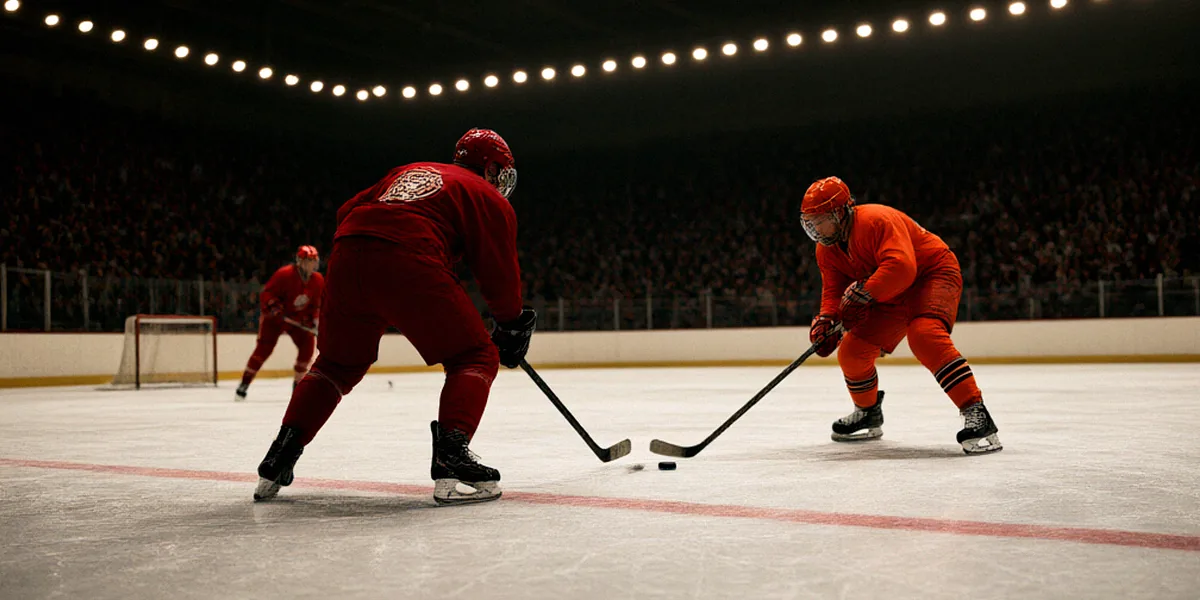
In September 1972, with the Cold War at a tense standstill and the world watching, Canada and the Soviet Union agreed to settle a question that had haunted hockey fans for years: who really played the best hockey on earth? What followed were eight games that transcended sport. The Summit Series wasn’t just a hockey tournament — it was a proxy war on ice, a clash of ideologies, and, for Canadians, a defining moment that still lives in our national memory more than five decades later. We’re walking through the series game by game, from the shocking Montreal meltdown to Paul Henderson’s immortal goal in Moscow.
The Buildup to the 1972 Summit Series
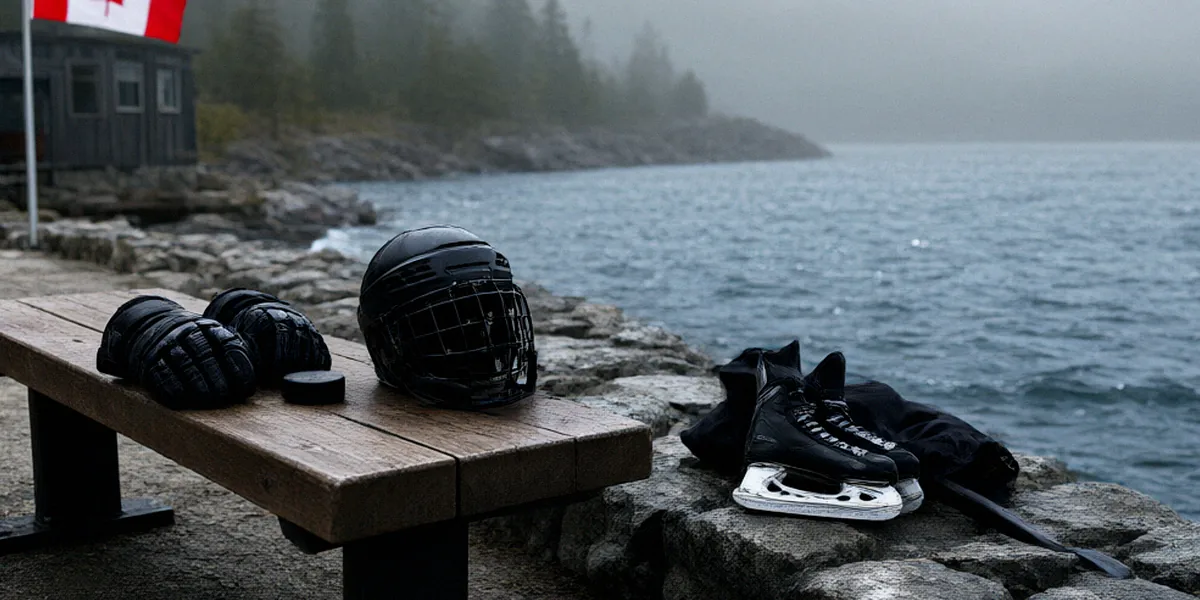
For years, Canadians had assumed their NHL stars were untouchable. The Soviet national team kept winning Olympic gold and world championships, but those tournaments excluded Canada’s professionals, so the debate never got settled on the ice. That changed when negotiations between Hockey Canada and Soviet officials produced an eight-game series: four games in Canada, four in Moscow. The stakes felt enormous because they were — this was happening at the height of Cold War tension, with the two superpowers locked in a struggle for global influence.
Team Canada assembled a roster stacked with future Hall of Famers: Phil Esposito, Bobby Clarke, Brad Park, Ken Dryden, Tony Esposito, Frank Mahovlich, and a 33-year-old Paul Henderson. The Soviets arrived with their “Red Machine” — players like Valeri Kharlamov, Alexander Yakushev, and goaltender Vladislav Tretiak, who were officially listed as amateurs but trained year-round as professionals. Most Canadians expected a sweep. We know now how wrong that assumption was.
Why the Series Mattered Beyond Hockey
The Cold War framed everything. A Canadian loss wasn’t just a loss — it was, in the eyes of many, a defeat for the capitalist West. The series became front-page news, with politicians and commentators treating each game as a referendum on national character. For eight games, hockey became geopolitics.
Team Canada vs. the Soviet Red Machine
The contrast was stark. Canada’s players came from the NHL grind, physical and instinctive. The Soviets played a disciplined, puck-possession style built on relentless conditioning and precision passing. That stylistic collision is what made the series so fascinating — and so difficult for Canada.
Games 1–4: Canada’s Shocking Wake-Up Call
The Canadian leg of the series shattered every comfortable assumption we had about our own hockey superiority. Four games produced shock, drama, and one of the most famous interviews in Canadian sports history.
Game 1: Montreal Meltdown
On September 2, 1972, at the Montreal Forum, Canada lost 7–3. The Soviets skated circles around Team Canada, and Kharlamov in particular looked unstoppable. The Forum crowd sat in stunned silence. It remains one of the most jarring results in hockey history.
Game 2: Toronto Thriller
Canada responded in Toronto with a 4–1 win, fueled by a physical, aggressive performance. Phil Esposito and company finally looked like the team everyone expected.
Game 3: Winnipeg Win
In Winnipeg, Canada edged the Soviets 4–4 — actually a tie, but one that showed the Soviets weren’t going away. The series was proving far tighter than anyone predicted.
Game 4: Vancouver Boos
Back in Canada for Game 4 in Vancouver, the team laid an egg, losing 5–3. When the final buzzer sounded, the Pacific Coliseum crowd booed Team Canada off the ice. What followed was Phil Esposito’s emotional post-game interview after Game 4 in Vancouver, a raw, heartfelt plea to Canadian fans to keep believing in the team. It became one of the most quoted moments in Canadian sports broadcasting.
Games 5–7: Battling on Soviet Ice
Then came Moscow. The hostile crowd, the unfamiliar surroundings, and the pressure of playing behind the Iron Curtain made the final four games a psychological gauntlet. We were down three games to one and needed to win three of the last four just to take the series.
Game 5: Moscow Mauling
Game 5 was a brutal 5–4 loss, marked by questionable officiating and rough play. Team Canada was now on the brink of elimination.
Game 6: Henderson Heroics
Game 6 delivered a gritty 3–2 win, with Paul Henderson scoring the winner. The series suddenly felt alive again.
Game 7: Controversy in the Cold
Game 7 was a 4–3 Canadian win overshadowed by controversial officiating — most famously Bobby Clarke’s slash on Kharlamov, which broke the Soviet star’s ankle and effectively ended his series. The win was satisfying but tainted, and everyone knew Game 8 would decide everything.
Game 8: The Henderson Goal That Defined a Nation
Game 8, played in Moscow on September 28, 1972, is the game every Canadian hockey fan knows by heart. Foster Hewitt called the final game on CBC, and millions of Canadians listened on radios and televisions at home, at work, and in schools.
The Comeback
Canada trailed 5–3 entering the third period. Goals from Esposito and Yvan Cournoyer tied it 5–5, setting up a frantic finish.
Henderson’s Goal
With the clock winding down, Paul Henderson scored the series-winning goal in Game 8 with 34 seconds left, poking a rebound past Tretiak after a scramble in front. Hewitt’s call — “Henderson has scored for Canada!” — became one of the most iconic moments in Canadian broadcasting history.
The Aftermath
Canada won the series four games to three with one tie. Players wept. Fans flooded the streets. The country exhaled.
Legacy of the 1972 Summit Series
The series changed hockey forever. It proved the Soviets were legitimate world-class competitors and forced Canada to rethink how it developed players. It also opened the door to future international competitions.
- The 1974 WHA Summit Series pitted Canadian WHA stars against the Soviets.
- Regular NHL-Soviet exhibition games became a fixture in the late 1970s and 1980s.
- The Canada Cup and later World Cup of Hockey grew out of the Summit Series template.
- In 2017, Historica Canada released a Heritage Minute commemorating the series, cementing its place in our national story.
Impact on International Hockey
Before 1972, best-on-best international hockey barely existed. After 1972, it became the standard. The World Juniors, the Canada Cup, and eventually the Olympics with NHL participation all trace their lineage to those eight games.
Cultural Touchstone in Canada
Ask any Canadian over 60 where they were when Henderson scored, and they’ll tell you. The series became part of our identity — a story about resilience, humility, and the moment we learned we weren’t automatically the best.
FAQ
Who scored the series-winning goal in the 1972 Summit Series?
Paul Henderson scored the series-winning goal in Game 8 with 34 seconds left, giving Canada a 6–5 victory in Moscow.
Where and when was Game 1 played?
Game 1 was played in Montreal on September 2, 1972, with Canada losing 7–3 to the Soviet Union.
What was Phil Esposito’s famous interview?
After Game 4 in Vancouver, with the crowd booing, Phil Esposito gave an emotional post-game interview defending his teammates and pleading with Canadians to support the team.
Who broadcast the final game?
Foster Hewitt called the final game on CBC, delivering the legendary call of Henderson’s goal.
How did the Cold War affect the series?
The series was played during the Cold War, heightening tensions and turning each game into a symbolic contest between Canada and the Soviet Union.
The 1972 Summit Series remains a touchstone of Canadian identity and a pivotal moment in hockey history. From the shock of Montreal to the euphoria of Moscow, those eight games taught us something about ourselves — and about the game we thought we owned.


Post Comment